
President-Elect
Timothy Lotze, MD, FCNS
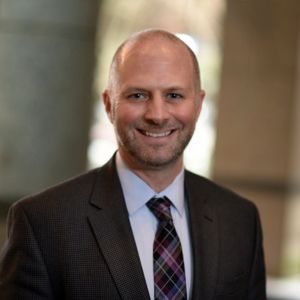
I am honored to have been nominated for President-Elect of the Child Neurology Society. I am currently a Professor of Pediatrics and Neurology with tenure at Baylor College of Medicine and Texas Children’s Hospital. I completed my child neurology training under the mentorship of Dr. Marvin Fishman at Baylor, and I have been a faculty member here since the time of my graduation in 2002.
My principal clinical interests have included neuromuscular disorders and neuroimmunology. In 2004, I established and subsequently directed the neuromuscular and neuroimmunology programs at Texas Children’s Hospital. Both programs have grown over the years to become internationally recognized as comprehensive multidisciplinary care centers in their respective disciplines with active clinical and research endeavors. I additionally established a neuroimmunology fellowship program in 2016, which has since graduated 12 fellows.
One of my greatest privileges has been serving as the Child Neurology Residency Program Director at Baylor since 2005. Over that time, the program has seen wonderful growth in the number of residents in each class (now at 7 per year), the diversity of rich educational experiences, and the number of faculty dedicated to clinical education. I was honored to have been recognized for my contributions as a child neurology residency program director by the AAN in 2016 and the CNS in 2022.
I have been an active member of the CNS since 2002. I have regularly attended the annual meeting and, on several occasions, presented my clinical and educational research as well as being invited to give presentations on neuroimmunological disorders. I have led the CNS special interest groups in neuroimmunology and neuromuscular disease over that period of time. Over the past 10 years, I have served in leadership positions in the CNS. I served as both a councilor (2016-2018) and subsequently as the president (2018-2021) of the Professors and Educators of Child Neurology (PECN). Most recently, I have been on the CNS Board of Directors as the Councilor of the South (2024-2026).
Outside of the Child Neurology Society, my leadership has included serving as the Chair of the Section of Neurology at the American Academy of Pediatrics (2021-2024), providing guidance, education, and advocacy for pediatric neurological issues through collaborative work with our colleagues and subspecialists in that organization. I additionally served as the chair for the US Network of Pediatric MS Centers (2023-2026), engaging in collaborative research and educational activities with several other centers across the United States.
All of these endeavors provided me with a variety of experiences that have helped me to further develop the qualities and characteristics of the leadership needed to accomplish goals in organizations, like the Child Neurology Society. If selected for the president-elect position, I will work to serve all of the members of the Child Neurology Society in addressing current and future needs as well as meeting the strategic goals of our organization.
What have been your most important or rewarding experiences in your years with CNS or other professional organizations, and how have these experiences shaped your vision of the direction CNS might take under your leadership?
Over the past two decades, my membership in the Child Neurology Society Professors and Educators of Child Neurology (PECN) and subsequent Child Neurology Educators Committee (CNEC) has been one of the most impactful experiences in my career as a clinician educator and residency program director. Having served as a councilor and president for the PECN certainly deepened my engagement and my commitment to its ongoing development. The ongoing growth of the CNEC will be a key means by which the CNS is the principal organization for clinician educators in the field as well as a key voice for the ongoing evolution of training curricula for child neurology and neurodevelopmental disability residents. Having been both a CNS Annual Meeting attendee and a presenter over the past years, I have had valuable experiences in networking with our members in a variety of formats, including poster sessions, special interest groups, and general sessions. These have also been opportunities for me to mentor students, residents, and junior faculty in presenting their research. Through these experiences, I hope to promote further outreach efforts to our international colleagues as well as those in related specialties. Ongoing development of the website, social media presence, and the Annals of the Child Neurology Society would all be important aspects of this effort.
My recent service on the CNS Board of Directors as the Councilor for the South provided me an opportunity for a greater understanding of and involvement with our organization in addressing issues and in finding opportunities. I believe that my experiences as Councilor have given me the necessary insight and preparation to serve in the role of President. The wealth of talent that this organization has across its committees and within the Board of Directors is outstanding. My leadership philosophy is one of collaboration, and I hope to build on my collaborative experiences to further the growth and value of the CNS amongst its members. Other impactful experiences have been my leadership roles in the American Academy of Pediatrics (AAP) Section of Neurology, the US Network of Pediatric MS Centers, and as the residency program director at Baylor College of Medicine for over 20 years.
My work in the AAP as Chair of the Section of Neurology taught me how to work within a large organization in collaboration with other pediatric specialists in the development of policies and guidelines. My tenure as the Chair of the NPMSC has included work in developing collaborative research projects as well as in expanding the membership and educational outreach efforts of that group. Finally, being a residency program director has given me a multitude of experiences, which are all centered on a mission to advocate for and to develop the best training program for our residents. The CNS is an organization for all child neurologists, whether in academics, in industry, or in private practice. I will use what I have learned through my past experiences to make sure that it is serving child neurologists across all these groups.
What are the most challenging issues facing child neurologists today, and how would the CNS, under your leadership, help its members meet those challenges?
My leadership philosophy is making sure that opinions, observations, and recommendations are heard from all stakeholders in making key decisions that best meet the need. This is particularly important in addressing key challenges for our field. These include workforce development, escalating costs of care, funding of research, evolving use of artificial intelligence, and wellness and career satisfaction. The field of child neurology has evolved. The training curriculum for our future workforce must reflect this change. There is increasing need for subspecialty expertise to address unique pediatric neurological and neurodevelopmental disorders. Our roles as neurologists are more than ever focused on the pediatric age group and even fetal consultations have become much more common. The advances in genetic testing and advanced therapeutics, to include gene therapy, present a new area of importance in training. As the ACGME considers major revisions for child neurology residency training, the CNS should be advising the process. This includes discussion and consideration of how to best re-balance training across pediatrics, adult neurology, and child neurology as well as length of training.
The CNS must also provide the same educational opportunities for our membership. Other opportunities to improve workforce needs may also come through further development of CNS partnerships with the Association of Child Neurology Nurses (ACNN) and the American Association of Nurse Practitioners Neurology Specialty Practice Group. The CNS also has a critical role in advocating for neurology training for general pediatricians during residency through its interactions with the AAP and ABP.
Finally, the CNS needs to look for opportunities to further increase its visibility to medical students and undergraduates to get them engaged and interested in pursuing pediatric neuroscience. The CNS serves a key role in advocating for members’ value to healthcare systems, for proper compensation, and for reducing administrative demands. Further advocacy is needed to reduce time spent on insurance authorization and other tasks. The CNS must also continue to be principal advocates for public health policy through position papers and statements related to the high importance of federal funding for neuroscience research and promoting evidence-based practices. We must continue to find ways to better address the rising costs of care and provide equitable access.
The CNS will need to continue to identify strengths and weaknesses in child neurology that affect the well-being of its members and capitalize on opportunities that could reduce burnout. Artificial intelligence is one area of importance related to this. The CNS needs to help members understand how to use this technology to work smarter rather than harder. Despite challenges faced, child neurology is a highly satisfying career for the majority of those practicing. The CNS has been a significant part of this through connections with colleagues at the annual meeting and other communications throughout the year. The CNS is the best community for child neurologists and is the most important centralized collaborative network for us. Together we can further build upon our Society’s amazing progress and create an even better future for our field.