
Councilor of the West
Jonathan Strober, MD, FCNS
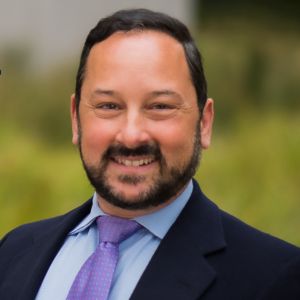
Jonathan B. Strober, MD, is Professor of Neurology and Pediatrics at the University of California, San Francisco (UCSF), where he serves as Director of the Pediatric Neuromuscular Program and the Pediatric Neuromuscular Clinic. He received his undergraduate degree in Statistics and Biometry from Cornell University, earned his MD from Temple University School of Medicine, completed pediatric residency training at Schneider Children’s Hospital, child neurology fellowship training at the University of Pennsylvania, and advanced fellowship training in neuromuscular diseases and neurophysiology at Emory University. He has been a faculty member at UCSF since 1999 and Professor since 2013.
An internationally recognized clinician, educator, investigator, and mentor, Dr. Strober has dedicated his career to improving the lives of children with neuromuscular and other neurologic disorders. He has led multidisciplinary neuromuscular programs for more than two decades, directed numerous clinical trials, built collaborative research networks, and published extensively in pediatric neurology and neuromuscular medicine. His work has contributed to advances in muscular dystrophy, congenital neuromuscular disorders, spinal muscular atrophy, pediatric myasthenia gravis, and pediatric multiple sclerosis.
A member of the Child Neurology Society (CNS) since 1997, Dr. Strober has devoted much of his professional service to strengthening the Society and the specialty of child neurology. He served twice on the CNS Practice Committee and represented CNS on the American Academy of Neurology Practice Committee. He was a founding member of the CNS Leadership, Diversity, Equity, and Inclusion (LDEI) Task Force, helped guide its transition into a standing committee, and currently serves as Chair of the CNS LDEI Committee.
Dr. Strober has also been committed to supporting child neurologists throughout their careers. He helped develop mentorship programming at the CNS Annual Meeting for members at all career stages, from trainees to established child neurologists. He also helped establish a CNS Special Interest Group focused on leadership, professional growth, and community building. These efforts reflect his commitment to fostering an inclusive professional home where members can thrive, contribute, and lead.
Throughout his career, Dr. Strober has combined clinical excellence, mentorship, advocacy, and service. His vision for the future of child neurology emphasizes strengthening our workforce, increasing our diversity, supporting professional growth across the career continuum, and ensuring that every child with neurologic disease has access to expert, compassionate, and equitable care.
What have been your most important or rewarding experiences in your years with CNS or other professional organizations, and how have these experiences shaped your vision of the direction CNS might take under your leadership?
My most rewarding experiences within the Child Neurology Society have come from helping build a community where members can connect, develop as leaders, and thrive throughout their careers. As a founding member of the Leadership, Diversity, Equity, and Inclusion (LDEI) initiative and now its Chair, I have had the privilege of helping advance a Society that values diversity, fosters belonging, and creates opportunities for every member to contribute and lead. As a member of the original LDEI Task Force, I helped develop the committee’s mission statement, laying the foundation for its future work. As LDEI evolved into a standing committee, I have helped guide its strategic direction and expand its impact through mentorship and sponsorship initiatives, leadership development, and opportunities for meaningful professional connection. Watching LDEI grow from a task force into a vibrant committee has reinforced my belief that our Society is strongest when we embrace diverse perspectives, cultivate future leaders, and ensure every member feels valued and empowered to participate.
At UCSF, one of the greatest privileges of my career has been mentoring learners and faculty at every stage of academic medicine, from students, residents, and fellows to junior and mid-career faculty and colleagues assuming leadership roles. These experiences have shown me the profound impact that thoughtful mentorship and sponsorship can have on professional growth, career satisfaction, and leadership development. Recognizing that not every child neurologist has access to these opportunities inspired my work to help develop the CNS Annual Meeting mentorship program, creating meaningful connections across career stages and extending mentorship beyond the resources of any single institution.
Through CNS, we can broaden professional networks, foster new perspectives, and ensure every member has access to guidance and sponsorship throughout their career. I also helped establish the LDEI Special Interest Group, creating a forum where members from diverse backgrounds, career stages, practice settings, and lived experiences can connect, learn from one another, and build lasting professional relationships. Bringing together people with different perspectives strengthens our Society, sparks innovation, and enables us to better serve the diverse children, families, and communities who depend on us. These experiences have shaped my vision for CNS.
I believe the most enduring way to strengthen our Society is to invest in our people—helping them develop as clinicians, educators, scientists, and leaders while fostering a community where diversity is valued, every member has a sense of belonging, and everyone has the opportunity to contribute. As a Board member, I would work to expand opportunities for mentorship, leadership development, and meaningful member engagement while ensuring that CNS remains innovative, inclusive, and responsive to the evolving needs of child neurologists and the diverse patients and families we serve. By investing in our people, we strengthen the future of our Society and, ultimately, the care we provide to the children and families we serve.
What are the most challenging issues facing child neurologists today, and how would the CNS, under your leadership, help its members meet those challenges?
Child neurology is experiencing a period of remarkable scientific progress. Advances in genetics, neuroimmunology, neurodevelopmental disorders, epilepsy, neuromuscular disease, and neurodegenerative disorders are transforming what we can offer our patients. Yet these extraordinary advances are unfolding at a time when our profession faces significant pressures that threaten our ability to deliver the care our patients deserve. Among our greatest challenges is sustaining the child neurology workforce. Increasing clinical demands, workforce shortages, administrative burdens, and expanding expectations in patient care, education, research, and advocacy have placed unprecedented strain on our specialty.
These pressures contribute to burnout, diminish career satisfaction, and ultimately limit access to care for children and families. At the same time, the healthcare environment has become increasingly complex. Prior authorization requirements, reimbursement pressures, insurance denials, and barriers to obtaining diagnostic testing and novel therapies consume valuable physician time and delay patient care. As more transformative therapies become available, our specialty will need an even stronger voice to advocate for timely and equitable access. Our patients can only benefit from these remarkable scientific advances if child neurologists have the time, support, and resources to deliver that care while keeping pace with a rapidly evolving field. The accelerating pace of discovery in child neurology creates a growing need for educational resources, collaborative networks, and professional development that help clinicians translate new knowledge into better care for patients.
The Child Neurology Society has an important role to play in helping its members meet these challenges. As a Board member, I would work collaboratively with my colleagues to advance three priorities that I believe are essential to our Society’s future: supporting our workforce, strengthening advocacy for our profession and the patients we serve, and expanding opportunities for lifelong professional growth. We can strengthen our workforce through mentorship, leadership development, networking, and initiatives that promote professional fulfillment and well-being. We can advocate for policies that improve access to care, reduce unnecessary administrative burdens, and ensure that children benefit from the remarkable therapeutic advances emerging in our field.
Finally, we can provide outstanding educational programs and collaborative opportunities that help members remain current in an increasingly complex and rapidly evolving specialty. Most importantly, CNS must continue to serve as the professional home for child neurologists. By fostering mentorship, collaboration, inclusion, advocacy, and lifelong learning, we can strengthen our community, support one another throughout our careers, and ensure that child neurologists are prepared not only to lead the future of our specialty, but also to translate its extraordinary advances into better care for every child and family we serve.