
Councilor of the West
Evan Y. Snyder, MD, PhD, FAAP, FCNS
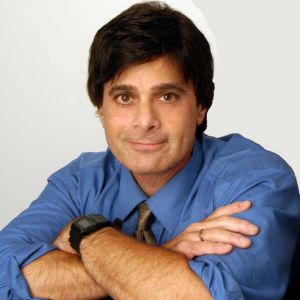
Evan Snyder earned his MD and PhD (neuroscience) from Penn through the NIH-funded Medical Scientist Training Program. He also studied psychology, philosophy, and linguistics in an MSc program at Oxford. He completed residencies in pediatrics and neurology and a fellowship in neonatology at Boston Children’s Hospital, Harvard Medical School (HMS) (where he served as Chief Resident in Medicine and then Neurology), attaining board certifications in pediatrics, neurology, and neonatal-perinatal medicine – the first to be so triple-boarded. Concurrently, he completed a research postdoctoral fellowship in cellular & molecular developmental biology in HMS’s Department of Genetics, after which he joined Harvard’s tenure-track faculty as an attending physician and assistant professor in the Departments of Pediatrics & Neurology at Children’s. He also established his independent research program there, which helped launch the stem cell & regenerative medicine fields. Indeed, he is regarded as one of the “fathers” of those fields, having demonstrated the existence of isolatable & engraftable neural stem cells (NSCs) (including of human origin) (arguably the first solid organ stem cell discovered), and having introduced the concept that neural plasticity, as mediated by NSCs, might be harnessed therapeutically. He contributed concepts that have become tenets of those fields; it’s been noted that virtually every clinical trial to date in cell-based regenerative medicine is predicated on principles Snyder unveiled.
In 2003, after 23 years at HMS, he was recruited to help build California’s stem cell infrastructure – specifically to Sanford-Burnham Prebys Medical Discovery Institute (SBP) (and UCSD’s Department of Pediatrics) as a Professor to found & direct a Center for Stem Cells & Regenerative Medicine and a Core Facility. He initiated the Southern California Stem Cell Consortium, helped plan and gain passage of the State legislative proposition that created California’s Institute for Regenerative Medicine, and helped found the Sanford Consortium for Regenerative Medicine. He directed/co-directed one of NIH’s first 6 Human Stem Cell Centers-of-Excellence and 1st 5 Human Stem Cell Training Courses. He is also on the faculty of UCSD’s Biomedical Sciences Grad Program and on the steering and admissions committees of UCSD’s MD-PhD program. He’s mentored >180 at all career stages.
Snyder is a founding fellow of the American Society for Therapy & Repair, served a term as its President, and received its Sanberg Award for lifetime achievement. He was elected to the competitive Association of American Physicians (>300 publications) and to the American Institute of Medical & Biological Engineering (holding ~40 patents). He’s also been elected a Fellow of the American Academy of Pediatrics & a Fellow of the Child Neurology Society. He’s a Diplomate of the Health Leadership Academy. He served 2 terms as Chair of the FDA’s Cell, Tissue, & Gene Therapy Advisory Committee (the precursor for which he helped found). He chairs the SAB of NIH’s Human Genetic Cell Repository. Internationally, he chaired the European Union’s panel to create an hiPSC bank.
Among Snyder’s greatest prides is inclusion of his biography as a chapter in Ashwal’s textbook “Child Neurology: Its Origins, Founders, Growth & Evolution” (Elsevier, 2021).
What have been your most important or rewarding experiences in your years with CNS or other professional organizations, and how have these experiences shaped your vision of the direction CNS might take under your leadership?
Four areas that have characterized my career were, indeed, nurtured by CNS (and my comrades there who “get it”): (1) The excitement of training the next generation of child neurologists; (2) The thrill of discovery and making an impact on kids’ lives not solely using today’s skills, but developing tomorrow’s (3) Serving as a “bridge” among clinical, translational, basic science, ethics/philosphy, and industry worlds; (4) Engaging as many kindred spirits as possible in these visions, with a commitment to DEI. Each area nurtures the others.
I’ve always been impelled to share with others – especially trainees – the excitement I feel in trying to understand the newborn brain and preventing/ameliorating damage. I was a freshly minted PhD in developmental neurobiology when I entered the NICU as an intern and became enthralled not only with witnessing the last trimester of CNS development unfold, but also with how little was known about the newborn brain: how to examine it, ensure its healthy development, repair it. It was my amazement at the degree of plasticity I observed at the “bedside” that drew me to identify & isolate neural stem cells in the 80s/90s as a potential source of plasticity. I embraced pediatric brain diseases as models for delineating the translational potential of the stem cell.
CNS gave me confidence when I needed it most (early on, honoring me with the Young Investigator Award), continuing to this day by electing me a Fellow & including my biography as a chapter in Ashwal’s textbook on Child Neurology pioneers. My zeal in kindling this excitement in others for bridging bedside-to-bench is why I enjoy being on service with trainees & taking my grad students to the bedside. I love making others see the clinic as a font of “curiosity.” How one pursues that curiosity is simply a matter of temperament and interest.
Wherever I’ve taught/practiced, I’ve established interactive teaching sessions called “Bedside-to-Bench Rounds” – note: NOT “bench-to-bedside”. Here, clinical cases are presented & trainees stimulated, in Socratic fashion, to contemplate how the conundrums of clinical manifestation (“bedside”) may be distilled into testable hypotheses (at the “bench”) regarding etiology, pathophysiology, treatment – someday, perhaps, returning to the “bedside”. In addition to writing in standard textbooks, I co-edited Case Files in Neuroscience & have authored Clinical Implications of Basic Science pieces for NEJM & Nature Medicine. Inclusion & outreach have leavened pursuit of my goals.
I’ve mentored in the Four Directions Program for Native Americans; sat on the SAB of an NIH Diversity Research Education Program dedicated to grooming physician-scientists from URM communities; served as co-investigator on 3 NIH grants to bring minorities into the life sciences (receiving a “Pioneer Award”); ensure opportunities for the under-represented from the steering/admissions committee of UCSD’s MD-PhD program; direct/co-direct s CIRM training programs devoted to enhancing DEI; was appointed to the WHO Research Review Roster; serve on the SAB of Americans for Cures. I even serve on California’s Emergency Medical Services Authority, and, during the Pandemic, did intensive care in an underserved California community.
What are the most challenging issues facing child neurologists today, and how would the CNS, under your leadership, help its members meet those challenges?
Sadly, our greatest challenge today is protecting children. CNS’s charge is to ensure that health policy is informed by data. Such a task requires: educating the public, legislators, officials, educators, HCPs, media, care-takers, patients; articulating what is known (or not) about the causes of childhood neurological diseases (e.g., autism); ensuring that kids do not suffer from preventable diseases (e.g., through vaccination), are endangered by unproven or inappropriate therapies, miss opportunities for early detection and intervention, are spared exposure to known health threats (physical and emotional “toxicities”, poor nutrition, inaccessible health care, economic insecurities) while enhancing exposure to nurturing, stimulating, “brain-enhancing” environments; restoring public trust in us. Part of this role may entail CNS members themselves performing/publishing studies. It will involve lobbying for (restoring) or raising funding for programs/facilities that serve these purposes. As Chair of an FDA Advisory Committee, Chair of the SAB of NIH’s Human Genetic Cell Repository, member (often as chair) of various NIH study sections, former Bipartisan Policy Center member (which advised Congress), and editorial board member on a number of journals, I might have a platform for representing CNS’s values.
As a Diplomate of the Health Leadership Academy and an academic with experience in basic and clinical research, I may be able to contribute directly to our mission:
- Bringing cutting-edge care to the underserved/under-resourced and articulating our firm commitment to DEI.
- Translating basic science breakthroughs from the arcane to actionable, accessible clinical practices that improve care for kids. While “cerebroids” & “single cell ‘omics” make headlines, CNS has the talented, multidisciplinary membership to help translate such insights to the bedside. For example, I delight in the prospect that our own work at the bench may find impact in such simple practice alterations as shortening the duration of hypothermia for HIE or making surfactant accessible to preemie brains to prevent IVH. • Engaging the passion of trainees early for child neurology (e.g., through CNS-sponsored mini-rotations/preceptorships in various unique clinical or research settings nationwide.)
- Ensuring CNS is present at venues it has not typically been. Many groups do not appreciate that CNS is the “go-to” resource for childhood neurological disorders. For example, at the above-mentioned NIH Genetic Cell Repository I chair, the majority of diseases banked and profiled are pediatric neurologic conditions, yet I – by happenstance – am the only child neurologist providing input.
CNS could both contribute to and benefit from this resource. I’ve long striven to be a “bridge physician” – creating interfaces between disciplines: basic, translational, & clinical research with patient care; training, education, outreach with communication; therapeutic development with regulation; ethics with health politics; academia with industry. Navigating these relationships is one of our challenges to which I would try to bring my experiences in catalyzing interactions. A simple start might be establishing a series of standing “subspecialty experts bureaus” that might provide (with proper guardrails/safeguards) prn guidance to HCPs, regulators, legislators, foundations, and industry. Greater outreach via podcasts with CNS-created content might foster recognition of how pivotal neurologic health is to all of Pediatrics.