
Councilor of the South
Kimberly Jones, MD, FCNS, FAAN
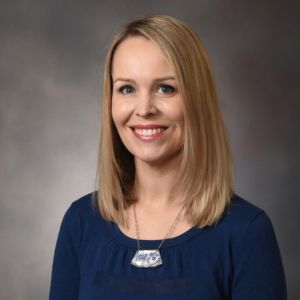
I am a professor of Child Neurology at the University of Kentucky, a medium-sized academic center in a vastly underserved Appalachian community. My passion is medical education, having served as Residency Program Director for 13 years. I built the program from the ground up, innovatively designing the curriculum to maximize every educational opportunity for our trainees. Guiding residents as they grow into skilled clinicians and future leaders has been life-giving to me, and I have learned so much along the way. I moved up to Assistant Dean for Student Affairs and have built the Learning Communities Program for the UK College of Medicine. Building on my experiences in the Child Neurology Society, I have engaged with the national Learning Communities Institute and am chairing the Program Planning Committee for this year’s annual conference. I really love working with medical students and recruiting the next generation of Child Neurologists! Their energy and enthusiasm keep me motivated every day!
Clinically, my practice has a great balance of inpatient and outpatient time. We prioritize care to the underserved communities in Kentucky, and I regularly commute to one of 9 different satellite clinics throughout eastern and southern Kentucky. I chaired the Medical Advisory Board for the state-run Office for Children with Special Healthcare Needs and worked to expand access and support for patients with neurologic disorders throughout Kentucky. Caring for children in some of the nation’s most medically underserved communities has given me firsthand insight into the challenges of healthcare disparities while continually reinforcing the resilience, strength, and hope demonstrated by our patients and their families.
In addition to my educational and clinical roles, I have served as Medical Director for both our combined adult and child neurology clinics. Whether building new programs, mentoring learners, or supporting colleagues in achieving their professional goals, I find the greatest fulfillment in helping others succeed and strengthening the systems that allow patients, learners, and faculty to thrive.
What have been your most important or rewarding experiences in your years with CNS or other professional organizations, and how have these experiences shaped your vision of the direction CNS might take under your leadership?
Stepping into the Program Director role early in my career, I found the Child Neurology Society to be an invaluable source of mentorship, education, and community. Joining the Professors and Educators of Child Neurology (PECN) helped shape me as an educator, and I have remained actively engaged with the CNS throughout my career. My passion has been advancing child neurology education through innovation. Our residency curriculum informed the 2014 ACGME training requirement revisions. I later served on the ABPN Steering Committee developing a pilot to reduce adult neurology training and recently as a Delphi panelist for the Consensus on Future Requirements for Child Neurology Training.
Throughout my years in medical education, through my engagement with PECN, and with the Child Neurology Program Directors of the AAN, I have seen first-hand how Child Neurologists’ voices get drowned out by the Adult Neurology majority in the AAN and on the Residency Review Committee. Updates to our residency training requirements are long overdue! As the ACGME prepares for another review of training requirements, I believe the Child Neurology Society should lead the national conversation, bringing educators together to ensure our training programs prepare the next generation of child neurologists to thrive in a rapidly changing healthcare landscape.
What are the most challenging issues facing child neurologists today, and how would the CNS, under your leadership, help its members meet those challenges?
Many child neurologists practice outside large academic centers and face overwhelming clinical demands, limited subspecialty support, rapid advances in genetics and therapeutics, institutional barriers to building multidisciplinary programs, and increasing misinformation and mistrust of medical expertise. These challenges can leave physicians feeling isolated while trying to provide high-level care. I believe the Child Neurology Society (CNS) can become a stronger source of practical support by equipping members with accessible clinical tools, high-quality educational resources, mentorship, and opportunities for collaboration.
By curating and sharing curricula, clinical pathways, best practices, and implementation strategies, the CNS can reduce the burden of staying current while helping child neurologists deliver excellent care across diverse practice settings. In doing so, the CNS can provide tangible, ongoing value to every member, regardless of where they practice. Supporting members in this way is also an important step toward addressing the high rates of physician burnout in our specialty, an important component of which is recognizing the emotional toll of caring for children with devastating neurologic disease and brain injury. We often focus on administrative burdens and productivity pressures while overlooking the cumulative impact of secondary trauma. I am passionate about helping child neurologists develop the knowledge, skills, and support systems needed to recognize and address secondary traumatic stress. By bringing evidence-based education, peer support, and practical wellness strategies to the CNS, we can foster a culture in which child neurologists are not only clinically excellent, but also emotionally healthy and resilient throughout our careers.